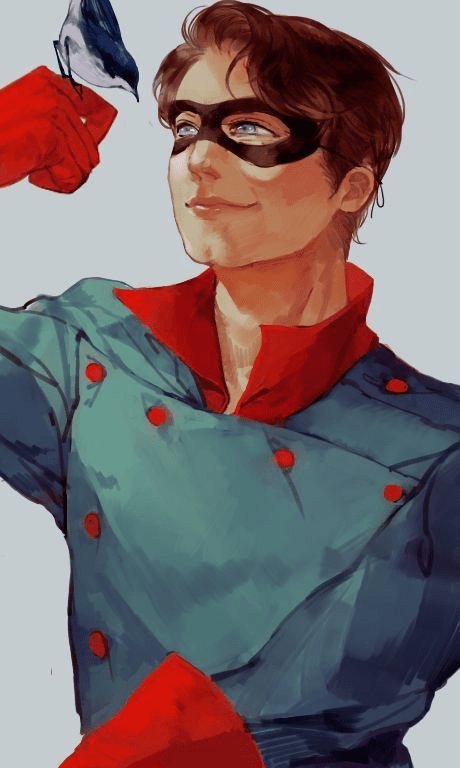
Imagine a realm where the impossible is commonplace, where towering metropolises hum with advanced technology, and where beings with extraordinary abilities clash against forces of unimaginable power. This isn't just a fantasy; it's the carefully constructed reality of a superhero universe, and Building Superhero Worlds & Teams is the art of breathing life into these dynamic narratives. Far more than just a backdrop, a well-crafted superhero world becomes a character in itself, enhancing every narrative beat, every character arc, and every epic confrontation.
It's about immersing audiences in a tapestry of lore, myth, and interconnected stories that deepen our understanding of heroism, villainy, and the human condition.
At a Glance: Your Blueprint for a Heroic Universe
- Immersion is Key: Create worlds that feel real, even when they're fantastical, drawing your audience deep into the story.
- Lore & Mythology are Foundations: Develop a rich history, legends, and origin stories that give your universe depth and meaning.
- Interconnectedness Matters: Weave character stories, relationships, and overarching plots into a cohesive narrative web.
- Balance Familiarity with Novelty: Ground your world in relatable elements while introducing unique powers, tech, and supernatural elements.
- Consistency Builds Trust: Establish clear rules for your universe and stick to them, fostering believability.
- Diversity Enriches: Reflect a broad spectrum of cultures, backgrounds, and perspectives to make your world feel vibrant and relevant.
Why We Build These Worlds: The Enduring Power of a Shared Universe
A powerful superhero universe doesn't just entertain; it transports. It offers an escape to extraordinary realms where limitless possibilities ignite the imagination. As Stan Lee famously observed, "A superhero universe has the power to ignite the imagination and transport us to extraordinary worlds filled with limitless possibilities." This isn't just hyperbole. It speaks to the profound impact a cohesive universe has on storytelling.
By meticulously planning and attending to every detail—from the architectural style of a city to the specific limitations of a hero's powers—you construct a unique setting for exploring complex themes, societal issues, and the very essence of human nature through larger-than-life characters. A robust universe adds unparalleled depth and complexity, elevating individual stories into an interconnected web. This allows for long-term character arcs, intricate relationships, and overarching storylines that resonate for years, even decades.
Imagine the satisfaction of discovering a subtle connection in a new story that harks back to an event from years past, or seeing your favorite hero evolve through triumphs and tragedies across multiple sagas. This continuity and coherence keep audiences invested, ensuring they’re always looking for the next piece of the puzzle. It also provides a canvas for crafting compelling superhero characters from diverse backgrounds, each with varied powers, moral compasses, and perspectives, further enriching the narrative fabric.
Deconstructing Your Universe's DNA: The Core Elements
Before you can assemble your heroic team, you need the world they'll inhabit. This creative process involves a blend of artistic vision and meticulous planning, establishing the fundamental building blocks that will define your universe.
Physical Environments: The Stage for Greatness
Every epic tale needs an epic backdrop. The physical environments of your superhero world are more than just scenery; they are vital characters in themselves, shaping the narrative, influencing character actions, and providing context and scale.
- Iconic Metropolises: Think Gotham City's gothic shadows or Metropolis's gleaming art deco towers. These cities aren't just collections of buildings; they have personalities, histories, and even socio-economic structures that influence their heroes and villains. New York City, for instance, with its iconic skyscrapers and bustling streets, is practically a supporting character in the saga of Spider-Man, offering both a playground and a canvas for his heroics.
- Hidden Lairs and Fortresses: From the Batcave's subterranean grandeur to the Fortress of Solitude's arctic isolation, these secret bases reflect the identities and methodologies of their inhabitants. They offer a sense of security, a place for technological innovation, and often, a symbol of hope or dread.
- Mystical Realms and Alien Worlds: Expanding beyond Earth introduces boundless possibilities. Valhalla's shimmering halls, the cosmic wonders of Xandar, or the dark dimensions of Dormammu add intrigue, mystique, and unique challenges that push the boundaries of conventional storytelling. These realms allow for narratives that explore different laws of physics, alien cultures, and ancient magical traditions.
Technological Marvels & Menaces: The Cutting Edge of Your World
In many superhero narratives, technology isn't just a tool; it's a source of power, a plot device, and sometimes, a character's greatest ally or foe. Advanced tech can provide unique capabilities and challenges, shaping how heroes fight, how villains scheme, and how society functions.
- Futuristic Gadgets: Iron Man's armor, Batman's utility belt, or Black Panther's vibranium suit are extensions of their users, defining their combat styles and problem-solving approaches. When you're designing advanced superhero gadgets and tech, consider not just their function but how they reflect the character's intellect, resources, and moral code.
- High-Tech Headquarters: Beyond being a secret base, facilities like S.H.I.E.L.D.'s Helicarrier or the X-Mansion represent centers of innovation, training, and strategic operations. They often house advanced laboratories, surveillance systems, and powerful weaponry, showcasing the technological prowess (or reliance) of the universe.
- Everyday Tech Integration: How does advanced technology permeate daily life? Are flying cars common? Do people have cybernetic enhancements? The seamless (or disruptive) integration of technology can subtly define the realism and fantastical leanings of your world.
Superpowers: The Defining Abilities
Extraordinary abilities are the bedrock of superhero storytelling. Their diversity, their limitations, and their ethical implications are crucial to world dynamics.
- Defining the Spectrum: Powers can range from super strength and flight to psionic abilities, elemental control, or hyper-intelligence. The key is to establish a clear framework for how powers manifest and what their underlying rules are.
- The Cost of Power: What are the physical, mental, or social ramifications of having superpowers? Do they drain a hero's life force? Do they isolate them from humanity? Exploring the intricacies of superpower limitations adds stakes and prevents characters from becoming omnipotent and boring.
- Diversity and Uniqueness: A roster of heroes with varied powers allows for dynamic team-ups and strategic challenges. Consider how different powers interact, complement, or even cancel each other out in a fight.
The Veil of the Supernatural: Magic, Mythology, and Beyond
Not all extraordinary elements are scientific. Introducing the supernatural adds layers of intrigue and mystique, presenting unique challenges and opportunities that can expand your world's scope far beyond the grounded.
- Magic Systems: Is magic a hidden art, practiced by a select few like Doctor Strange, or is it an open secret? Establish the sources of magic, its rules, and its practitioners. How does it interact with science or technology?
- Mythological Creatures & Deities: Drawing from real-world mythology (like Thor's Norse roots) or creating entirely new pantheons introduces ancient conflicts, powerful beings, and a rich history that pre-dates modern civilization.
- Parallel Dimensions & Alternate Realities: These elements can open up infinite narrative pathways, allowing for "what if" scenarios, multiversal threats, and encounters with alternate versions of beloved characters. They underscore the idea that your universe is just one of many possibilities.
Crafting the Lore: The Soul of Your Superhero Story
Beyond the tangible elements of environments and powers, lore is the invisible thread that binds your universe together. It’s the shared history, the legends whispered in the shadows, and the deeply personal stories that give meaning to the fantastical. Developing robust lore is essential for adding depth and richness, transforming a collection of characters into a living, breathing world.
The Echoes of Origins: Who Are They, Really?
Every hero and villain has a beginning, and these origin stories are far more than just "how they got their powers." They are foundational narratives that reveal motivations, struggles, and the very essence of a character.
- Purpose Beyond Powers: An origin story should illuminate why a character chooses the path they do. What was the catalyst? Was it personal tragedy, a sense of duty, or an accident of fate? For instance, developing impactful origin stories often involves exploring the choices characters make when confronted with immense power or devastating loss.
- Moral Compass: Origins often establish a character's core values and their approach to heroism or villainy. Is their justice swift and brutal, or tempered with mercy? Is their ambition for personal gain or a perceived greater good?
- Relatability: Even with cosmic powers, a relatable origin story grounds a character. It highlights their humanity (or lack thereof), making their struggles and triumphs resonate more deeply with the audience.
Intertwined Fates: Relationships and Rivalries
No character exists in a vacuum. The interactions and relationships between heroes, villains, and ordinary citizens contribute immense richness to your universe. These connections form the emotional core of your stories.
- Dynamic Teams: A superhero team is more than a sum of its powers; it's a family, a unit bound by shared purpose and personal histories. The interplay between teammates – their friendships, rivalries, and internal conflicts – drives much of the narrative.
- Complex Rivalries: Villains aren't just obstacles; they are often twisted reflections of the heroes, or figures with their own compelling (if misguided) philosophies. understanding different villain archetypes can help you craft foes who challenge your heroes on every level, forcing them to grow and adapt.
- Unconventional Allies: Characters with shifting loyalties, anti-heroes, or unexpected mentors add layers of moral ambiguity and narrative intrigue, showing that alliances can be as complex as enmities.
The Tapestry of Mythology: History, Legends, and Beliefs
Mythology is the deep history of your universe—the legends, historical events, and shared beliefs that provide context for everything happening in the present. It offers continuity and a foundational understanding for future narratives.
- Ancient Evils & Prophecies: Introducing ancient threats or prophecies gives your universe a sense of grand scale and destiny. It connects current events to a long-forgotten past, suggesting that heroes are merely the latest in a line of protectors.
- Founding Events: What were the seminal moments that shaped your world? The rise of the first hero? A cataclysmic war that redefined geopolitical boundaries? These events become touchstones, referenced and reinterpreted throughout your stories.
- Universal Themes: Superhero mythology often explores universal themes and archetypes: the hero's journey, the battle between good and evil, sacrifice, redemption, and the search for identity. By tapping into these archetypes, you establish a shared cultural framework that audiences instinctively understand.
Pillars of a Believable Universe: Best Practices for Worldbuilding
Creating a compelling superhero world isn't just about cool powers and epic battles; it's about crafting a place that feels consistent and real enough for audiences to believe in. Here are some essential tips to guide your process.
Consistency is King (and Queen): The Golden Rule
This cannot be stressed enough: maintain consistent rules, physics, and limitations within your universe. If a character needs to eat to replenish their energy, don't let them go without food for weeks without consequence. If magic has specific incantations and components, don't suddenly allow a character to cast spells effortlessly.
- Establish Clear Parameters: Before you even introduce a new power or piece of technology, define how it works. What are its strengths? Its weaknesses? Its energy source?
- Internal Logic: Every event, every character's action, and every technological advancement should make sense within the established framework of your world. This fosters believability, even when the events are fantastical. Inconsistencies shatter immersion and break the audience's trust.
The Devil in the Details: Small Touches, Big Impact
It's the little things that often make a fictional world feel truly alive. Pay meticulous attention to small details that might seem insignificant but collectively build a richer, more immersive experience.
- Architectural Nuances: Does a city's architecture reflect its history, culture, or predominant technologies? For instance, the art deco style of Metropolis speaks to an era of optimism and progress, reflecting its iconic hero.
- Costume Design: A hero's costume isn't just a uniform; it's a statement. Does it reflect their personality, their powers, or their origin? Does it look functional, symbolic, or both?
- Everyday Life: How do ordinary people live in this world? What are their concerns? How do they react to superheroes and villains? These details ground your universe in a relatable reality.
A World That Reflects Our Own: Incorporating Cultural Diversity
To truly resonate, a superhero universe should feel expansive and inclusive. Reflecting real-world diversity with characters from different backgrounds, cultures, and socio-economic strata makes your world richer and more authentic.
- Beyond Surface-Level: Diversity isn't just about skin color; it's about incorporating varied perspectives, cultural traditions, and lived experiences into your narrative.
- Global Reach: While many superhero stories begin in American cities, remember the vastness of the world. What heroes exist in Japan, Nigeria, Brazil, or India? How do their cultures influence their heroism?
- Authenticity: When introducing diverse elements, research and collaborate to ensure they are portrayed respectfully and authentically, avoiding stereotypes.
Dancing on the Edge of Reality: Balancing Realism with the Fantastical
The best superhero worlds manage to be extraordinary without losing their anchor to something familiar. The trick is to ground your universe in relatable reality while wholeheartedly embracing the fantastical.
- Relatable Stakes: Even when the fate of the galaxy is on the line, ensure the emotional stakes are human and relatable. What do the heroes stand to lose personally?
- Consequences and Gravity: If a city gets destroyed, show the aftermath. If a hero falls, show the impact on their loved ones and the world. The fantastical elements carry more weight when their consequences feel real.
- A "What If" Mirror: Superhero stories often explore societal issues or human nature through a magnified, fantastical lens. Use your extraordinary elements to comment on reality, rather than completely escaping it.
Expanding the Narrative: Crossovers and Shared Universes
One of the most thrilling aspects of superhero worldbuilding is the ability to connect multiple stories and characters into a grand, overarching tapestry. Crossover events and shared universes aren't just fan service; they are powerful storytelling tools that enhance character development and open up unique narrative opportunities.
The Power of Collaboration: What Crossovers Deliver
When different heroes from distinct corners of your universe come together, magic happens.
- Unique Collaborations: Seeing characters with different powers and personalities forced to work together leads to dynamic interactions and innovative problem-solving. Imagine the strategic possibilities of a tech-genius, a mystical sorcerer, and a super-strong brute pooling their abilities.
- Character Growth and New Perspectives: Crossovers challenge characters to adapt to new situations, confront different ideologies, and forge unexpected bonds. A stoic hero might learn compassion from a more optimistic peer, or a lone wolf might discover the strength of a team.
- Epic, High-Stakes Events: Some threats are simply too big for one hero. Crossovers allow for truly epic, universe-spanning events like "Avengers: Infinity War" or "Crisis On Infinite Earths," where the stakes are immense and the fate of entire worlds hangs in the balance. These events become watershed moments in your universe's history.
The Tightrope Walk: Challenges of a Shared Universe
While incredibly rewarding, managing a shared universe is a complex undertaking.
- Maintaining Continuity: The biggest hurdle is keeping the timeline, character backstories, and established rules consistent across all stories. A single inconsistency can pull audiences out of the immersive experience. Meticulous record-keeping and a dedicated editorial team are crucial.
- Ensuring Coherence: All individual narratives, even when separate, must feel like they belong to the same overarching world. This requires a strong central vision and consistent thematic elements.
- Respecting Individuality: While characters collaborate, it's vital that each hero and their world retain their unique identity. Don't dilute what makes them special simply for the sake of a crossover. Each character should have their moment to shine and their own distinct voice.
- Tracking Multiple Arcs: A shared universe means tracking countless character arcs, relationships, and plot threads simultaneously, ensuring they intertwine meaningfully without becoming muddled.
Bringing Worlds to Life Across Mediums: Adaptation is Key
A truly successful superhero world has the potential to transcend its original form, finding new life and new audiences across various media – from the sequential art of comic books to the cinematic spectacle of film and the long-form narratives of television. This adaptation is both a tremendous opportunity and a significant challenge.
The Art of Translation: Challenges in Adaptation
- Condensing Vast Lore: Comic books, often spanning decades, build up immense amounts of lore and mythology. Adapting this into a two-hour film or a limited TV series requires surgical precision to condense the essence without losing the integrity of the source material. Tough choices must be made about what to keep, what to streamline, and what to omit.
- Maintaining Essence: The core appeal, tone, and themes of the original material must be preserved. A gritty, grounded comic series shouldn't become a lighthearted comedy on screen, unless that's a deliberate creative choice with a clear vision.
- Visualizing the Fantastical: What works on the page might require significant reinterpretation for live-action or animation. Special effects budgets, practical limitations, and stylistic differences between mediums all play a role.
The Strengths of Each Storytelling Canvas
Each medium offers unique advantages for telling superhero stories. Understanding these strengths is key to effective adaptation.
- Comic Books: As the original canvas, comics offer unparalleled freedom for visual storytelling. There are no budget constraints for depicting fantastical powers or alien worlds. They allow for intricate panel layouts, symbolic art, and the ability to explore complex internal monologues and long-running serial narratives over decades.
- Films: Movies excel at delivering immersive action, spectacular special effects, and a condensed, high-impact narrative experience. They can create iconic cinematic moments and reach massive global audiences, acting as powerful entry points for new fans.
- Television Shows: TV series, particularly those on streaming platforms, provide the luxury of long-form character exploration. They can delve into nuanced relationships, develop complex subplots, and allow for slower, more detailed arcs over multiple seasons, mimicking the episodic nature of comic books more closely.
Successful adaptations understand these nuances, playing to the strengths of the new medium while honoring the spirit of the source material. They expand reach, introduce these universes to entirely new audiences, and cement their place in popular culture.
Your Blueprint for a Heroic World: The Next Steps
Building a superhero world and assembling a compelling team is an ambitious, exhilarating undertaking. It requires vision, patience, and a deep understanding of storytelling mechanics. But the rewards—a vibrant universe, enduring characters, and narratives that resonate for years—are immeasurable.
Here's your actionable blueprint to start creating:
- Start with the Core Idea: What's the central hook of your world? Is it a magical realm hidden in plain sight, a futuristic dystopia, or a classic comic book city? Define its unique identity.
- Establish Your Rules: Before you add powers or tech, set the fundamental "physics" of your universe. What are its limitations? What's possible, and what isn't? Stick to these rules rigorously.
- Define Your Conflict: What are the major forces at play in your world? What kind of challenges will your heroes face? Is it external threats, internal moral dilemmas, or societal injustices?
- Craft Your First Hero (and Villain): Focus on Create your own superhero or a compelling villain whose origin, motivations, and powers are deeply intertwined with your world's lore. Let their story be a window into your larger universe.
- Build Outward, Not Inward: Don't try to define every single detail from day one. Start with the core elements and characters, then expand your lore, add supporting characters, and layer in more complex mythology as your stories evolve.
- Embrace Iteration: Your first draft won't be perfect. Be prepared to revisit, refine, and even reinvent elements of your world as you discover new narrative possibilities.
Pitfalls to Avoid:
- Over-Complication: Don't drown your audience in an impenetrable web of lore. Introduce elements gradually and ensure they serve the story.
- Inconsistency: As mentioned, breaking your own rules will erode audience trust and immersion.
- Lack of Stakes: If your heroes are omnipotent, or your world faces no real threats, the stories lose their dramatic weight. Ensure there are genuine consequences for failure.
- Ignoring Character for World: The world should serve the characters, not the other way around. Ensure your intricate universe enhances, rather than overwhelms, individual character arcs.
The canvas is yours, the possibilities are endless. Go forth and forge worlds worthy of heroes.