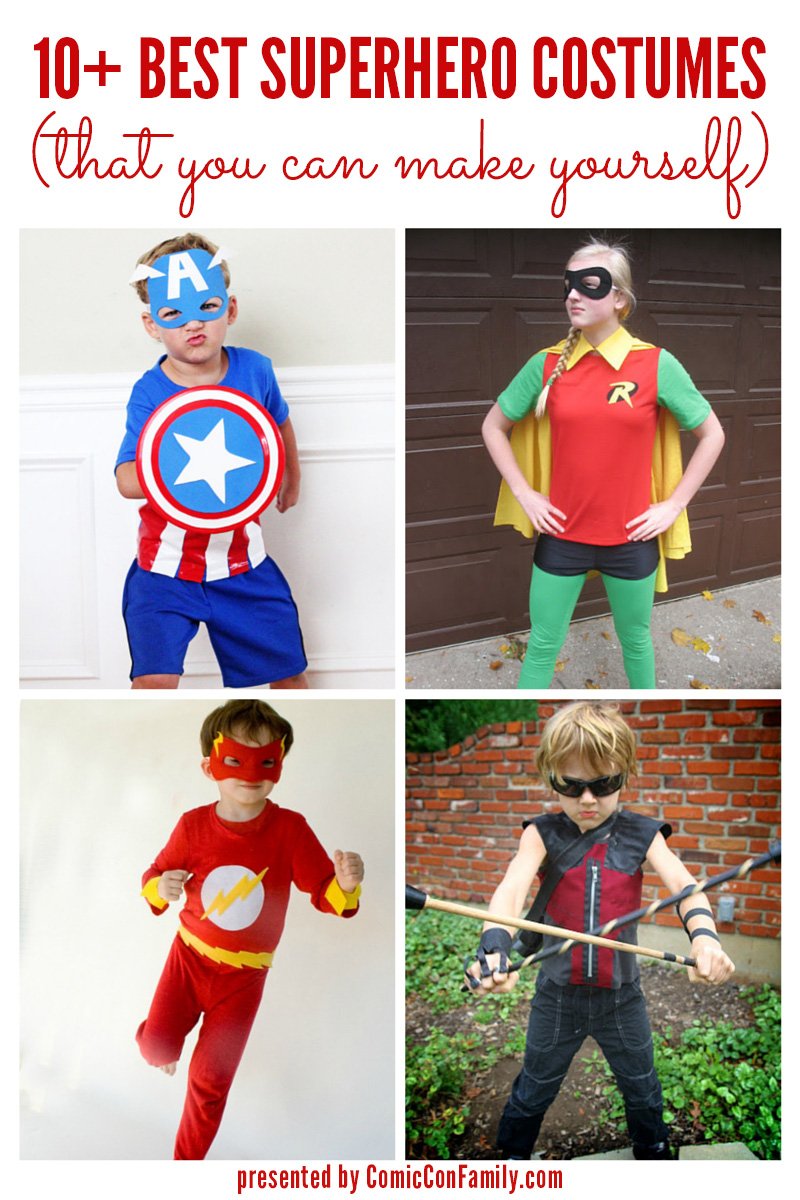
The moment a hero steps onto the page or screen, their costume speaks volumes. It’s more than just fabric; it’s a meticulously crafted visual manifesto, instantly communicating who they are, what they stand for, and the unique powers they wield. Designing superhero costumes & appearances is a profound art form that marries aesthetic appeal with narrative depth, creating looks that aren't just cool, but foundational to a character's identity and legacy.
From the iconic red and blue of an alien champion to the shadowy armor of a caped crusader, these outfits are the characters' second skin, their public persona, and often, their most potent symbol.
At a Glance: Crafting an Iconic Superhero Look
- Colors are Key: Your hero's palette conveys personality and moral alignment instantly.
- Materials Matter: Choose fabrics and armor that reflect powers, provide protection, and allow for dynamic action.
- Accessories Define: Masks, capes, and utility belts add functionality and visual flair, completing the character's signature silhouette.
- Functionality First: Costumes must allow heroes to move, fight, and perform feats, balancing style with practical needs.
- Identity is Brand: A strong costume makes a character recognizable and communicates their core values.
- Technology & Trends Influence: Modern design leverages digital tools and draws inspiration from current fashion, while looking towards sustainable futures.
- Fans are Co-Creators: Community feedback increasingly shapes the evolution of superhero attire.
The Power of First Impressions: More Than Just Fabric
Every hero needs a memorable introduction, and their costume is almost always the opening line. It's the visual shorthand that tells us their story before they even utter a word, a crucial element for shaping characters, conveying personality, powers, and backstory, and creating unforgettable visual impact. Think of it as a uniform, but one steeped in myth and meaning.
Colors: Speaking Without Words
Color isn't just decoration; it's a powerful psychological tool. The hues you choose for a superhero's costume are essential for conveying their personality and traits, acting as an instant emotional trigger for the audience.
- Lighter colors like brilliant blues, vibrant yellows, and stark whites often symbolize heroism, purity, hope, and an unwavering moral compass.
- Darker colors such as deep greys, blacks, and muted purples can suggest a conflicted nature, mystery, or a character who operates outside traditional heroic norms. Villains frequently sport darker or contrasting schemes to visually denote their malevolence.
Consider Superman: his iconic red, blue, and yellow reflect energy, determination, and justice, a universally recognized beacon of heroism. Iron Man's metallic red and gold scream power, wealth, and technological prowess. Black Widow's sleek black suit speaks to stealth, mystery, and a dark past. It's not arbitrary; every color choice is a deliberate stroke on the canvas of character.
Materials: Form, Function, and Flair
The choice of materials is about both desired look and functionality. What a costume is made of signals its purpose and often, the character's specific abilities or vulnerabilities.
- Skin-tight bodysuits made from highly stretchable fabrics are common for many heroes, particularly those who rely on agility, speed, or showcasing a powerful physique. These materials allow for maximum movement and flexibility, essential for acrobatic feats and dynamic combat.
- Specialized materials take functionality further. Imagine a hero needing flame-resistant fabrics, Kevlar-reinforced sections for ballistic protection, or lightweight, impact-absorbing composites for armor. These choices aren't just for show; they're integral to the hero's survival and effectiveness in battle.
- Historically, there's been a noticeable trend in character design: male heroes often sport skin-tight bodysuits to emphasize musculature and movement, while female heroes might also use form-fitting materials to convey femininity and agility. However, modern design is increasingly breaking these molds, exploring diverse silhouettes and material applications for all characters.
Accessories: The Devil (and Hero) in the Details
Beyond the core suit, accessories are integral to aesthetics, functionality, and storytelling. They can elevate a simple design into something iconic, providing practical tools or adding symbolic weight.
- Masks conceal identity, protect, and contribute to an aura of mystery or intimidation.
- Capes add drama, a sense of grandeur, and can even be practical (gliding, deflecting attacks), though they're also notorious for getting caught on things!
- Gloves and Boots offer protection, grip, and complete the hero's silhouette.
- Utility belts are a classic trope, holding gadgets and tools essential for non-powered heroes or those needing specialized equipment.
The design process often starts with the core outfit, then strategically adds these accessories for a cohesive and impactful look. Concept art plays a vital role here, allowing designers to explore countless ideas and ensure both visual appeal and practicality. After all, a hero needs to fight crime, not just look good doing it. If you're pondering your own hero's look, remember that even small details can make a huge difference in how your character is perceived and functions. Ready to envision your own hero? You can always create your own superhero with a clear vision of their unique aesthetic.
Beyond the Threads: Principles That Shape Iconic Looks
Crafting a superhero costume isn't merely about sketching cool outfits; it's a complex interplay of artistic principles, practical considerations, and cultural influences.
Functionality vs. Fashion: The Hero's Dilemma
One of the greatest challenges for designers is balancing visual appeal with the crucial need for characters to move and perform heroic feats. A costume might look stunning on a static pose, but if it hinders acrobatics, flight, or combat, it fails its primary purpose.
The best designs enhance physical abilities, provide comfort and flexibility, and offer necessary protection, all while captivating audiences. This delicate balance is achieved through:
- Innovative materials: Stretchable fabrics that allow full range of motion, lightweight armor that offers protection without bulk, and breathable textiles for endurance.
- Ergonomic design: Seams, cuts, and closures are strategically placed to minimize friction and maximize comfort during strenuous activity.
- Advanced technologies: As we'll discuss, digital tools play a huge role in ensuring a perfect fit and realistic movement.
The question is always: does this look amazing and does it help the hero save the day?
The Runway to the Rooftops: Fashion's Influence
Superhero costume designers aren't working in a vacuum. They constantly draw inspiration from the broader world of fashion, from the avant-garde designs of haute couture to the gritty practicality of street style, and even historical fashion movements. This infusion of real-world trends helps create designs that feel unique, relevant, and appealing to wider, contemporary audiences. A dash of current aesthetics can make a character feel fresh and connected to our world, even as they soar above it.
Digital Loom: How Technology Reshapes Design
The advent of digital manufacturing, 3D scanning, and cloth simulation has revolutionized costume design, making previously impossible feats of tailoring and detailing a reality.
- 3D scanning allows designers to create a perfect digital model of an actor or a conceptual body type, ensuring that the final costume fits precisely, optimizing comfort and mobility. No more guesswork; it's tailor-made perfection.
- Cloth simulation enhances realism in digital renderings by accurately depicting how different fabrics move, drape, and react to physics. This is invaluable for pre-visualization, allowing adjustments before a single piece of material is cut.
- Digital tools streamline the entire manufacturing process, reducing errors, accelerating production, and empowering designers to experiment with complex materials and intricate details that would be prohibitive with traditional methods.
These technologies don't just speed things up; they push the boundaries of what's creatively possible.
Crafting an Identity: The Costume as Brand
Ultimately, costume design establishes a character's identity and brand, making them instantly recognizable and communicating their powers, motivations, and values. It’s their personal logo writ large.
- Differentiation: A well-designed costume clearly differentiates roles — hero, anti-hero, or villain — through contrasting colors, shapes, and silhouettes.
- Emotional Resonance: The visual identity forged by a costume creates an emotional connection with the audience, making characters relatable or aspirational.
Think of the bat symbol or the 'S' shield; these aren't just emblems, they're shorthand for entire philosophies and character arcs.
An Evolving Canvas: The Dynamic History of Superhero Style
Superhero costume design has evolved dramatically, from the simplistic, primary-colored outfits of the Golden Age to the elaborate, high-tech ensembles of today. This evolution is driven by changing artistic sensibilities, technological advancements, and cultural shifts.
- Cosplay culture has had a surprising impact, showing designers what fans love to wear and how materials behave in the real world, fostering a more interactive design dialogue.
- Collaborations between comic artists (like Jamie McKelvie and Kris Anka, known for their modern, fashion-forward takes) and even real-world fashion designers have brought fresh perspectives and elevated the aesthetic quality of many characters.
Innovation is key, incorporating high-tech elements, futuristic aesthetics, and diverse cultural and historical influences to keep characters fresh and relevant across generations.
The Fandom's Fingerprint: How Fans Co-Create
In the age of digital connectivity, fans are no longer passive consumers. Through social media, conventions, cosplay, and fan art, they provide inspiration and feedback that profoundly influences costume design. This dynamic fosters a collaborative environment, driving innovation and ensuring that designs resonate deeply with the community. Designers are listening, adapting, and sometimes even directly incorporating elements inspired by the passionate fan base. For those looking to fully develop their own characters and their signature look, the creative process is incredibly rewarding; you might even find inspiration from existing design principles to design your own superhero from scratch!
Peering Into the Future: Tomorrow's Superhero Attire
What will our heroes wear in the decades to come? The trends in superhero costume design will continue to evolve, driven by relentless technological innovation, increasing demands for diversity and inclusivity, and a growing environmental consciousness.
Eco-Heroes: The Rise of Sustainable Materials
Expect a significant shift towards sustainability. Future costumes will likely incorporate:
- Eco-friendly fabrics: Think organic cotton, bamboo, or hemp blends with advanced properties.
- Recycled materials: Repurposed plastics and fibers, giving new life to waste.
- Biodegradable options: Costumes designed to break down naturally after their heroic lifespan, reducing environmental impact.
Heroes will not only save the world from villains but also from waste.
Smart Suits: Interactive and Adaptive Costumes
The line between costume and technology will blur even further. Smart fabrics and wearable technology will lead to:
- Interactive interfaces: Suits that display real-time data, communicate with the hero, or project holograms.
- Environmental adaptation: Costumes that can change color for camouflage, adjust temperature for extreme climates, or generate force fields on demand.
- Threat detection: Integrated sensors that alert heroes to imminent danger, vital signs, or energy signatures.
These will be true extensions of a hero's powers, rather than just clothing.
Breaking the Mold: New Silhouettes and Diverse Representations
The traditional capes and tights are beloved, but the future will see a redefinition of superhero fashion trends. Expect:
- New silhouettes: Designs that move beyond tight-fitting forms, exploring flowing fabrics, architectural shapes, and asymmetrical elements.
- Expanded color palettes: Moving beyond primary colors into more nuanced and diverse schemes.
- Inclusive representation: Costumes designed to authentically represent diverse cultures, body types, and gender identities, reflecting the rich tapestry of humanity itself. This means moving past stereotypes and embracing a wider range of aesthetics that resonate with global audiences.
Virtual Wardrobes: Immersive Experiences
Virtual and augmented reality offer tantalizing new opportunities. Imagine:
- Interactive costume previews: Fans could "try on" their favorite hero's costume in AR or VR.
- Dynamic digital designs: Costumes that can change appearance in real-time within digital media, offering new levels of customization and visual storytelling.
The costume may become a living, evolving entity, both on and off-screen.
From Concept to Cape: A Practical Design Journey
Ready to bring your own superhero to life? The journey from an abstract idea to a tangible costume involves clear steps, both in character conceptualization and practical creation. This is where you really get to create your own superhero from the ground up.
Step 1: Laying the Foundation – Character Design
Before you even think about fabric, you need a hero.
- Self-Reflection: Does this character reflect aspects of your own identity, values, or aspirations? Personal connection often leads to deeper characterization.
- Define Their World: What kind of environment do they inhabit? What challenges do they face? A gritty urban landscape will demand a different aesthetic than a futuristic utopia.
- Choose Their Type: Are they born with powers, acquired them, or a human with special gear/training? This dictates their reliance on a costume versus innate abilities.
- Specify Powers: What can they do? Their powers should influence their appearance – a fire manipulator might have flame-resistant sections, a speedster needs aerodynamic forms.
- Develop Characteristics: Go beyond powers. Are they stoic, flamboyant, mysterious, or rebellious? These traits directly inform visual choices.
- Create Their Origin Story: How did they become a hero? This backstory provides context and motivation, which can be subtly woven into their attire.
- Establish Their Moral Compass: Are they lawful good, chaotic neutral, or something darker? This alignment guides color and design choices.
Step 2: Sketching the Super Style – Costume Design Principles
Now, let's translate those foundational ideas into visuals.
- Visual Identity: Translate your character's traits, powers, and moral compass into tangible colors, shapes, and textures. A regal hero might have sharp, geometric lines and flowing fabrics, while a stealthy one might have muted colors and segmented armor.
- Gather References: Collect images! Look at existing superhero costumes, historical fashion, animal patterns, architecture, and anything that represents your character's traits. This visual library is invaluable.
- Reflect Actions: Incorporate elements that visually represent their powers or abilities. Wings for flight, enhanced gauntlets for super strength, glowing conduits for energy projection.
- Sketch, Sketch, Sketch: Don't settle on the first idea. Generate multiple rough sketches, experimenting with different silhouettes, proportions, and design elements. Then, refine your favorites, playing with various colorways until you find the perfect match.
Essential Gear for Costume Creation (A Maker's Toolkit)
Once your design is finalized, it's time to build! Here are some common materials used in practical costume creation:
- Stretch Fabric (Spandex Knits): The workhorse for tight-fitting supersuits. Look for 4-way stretch spandex for maximum flexibility. Many can be sewn on a home machine with a ballpoint needle.
- EVA Foam (Craft Foam): Lightweight, affordable, and incredibly versatile. Great for cutting, carving, and heat-shaping larger forms like armor plates, gauntlets, or helmets. It can mimic various materials and is often combined with other materials for detail.
- Worbla (Thermoplastic Sheet Material): A non-toxic, moldable plastic that softens at 194°F (90°C). It creates durable, sculptural pieces, sticks to itself when heated, and can be reheated and reshaped multiple times. Excellent for intricate sculpted shapes and details, though more expensive than foam.
- Adhesives:
- DAP Weldwood Contact Cement: A go-to for strong bonds on EVA foam, but requires good ventilation and a long cure time.
- Hot Glue: Useful for quick attachments and details, but less durable for structural elements.
- Sealers/Primers:
- Plastidip: Seals EVA foam, adds durability, and creates a smooth surface ready for painting.
- Flexbond: Good for smoothing Worbla's granular texture before painting.
- Paints:
- Acrylics: Versatile for brushwork and detail.
- Spray paints: Great for even base coats.
- Metallic pigment powders: Can be mixed into paints or sealers for special metallic effects.
- Top Coats:
- Clear sealants (e.g., Through the Roof): Adds durability and shine, especially for EVA foam.
- Mod Podge: Can provide a protective, slightly flexible finish.
Building Your First Suit: Practical Construction Tips
Bringing your design to life can be challenging, but these guidelines will help:
- Working with Spandex:
- Seams are inevitable: Plan for seams along the sides, center front, and center back for a good fit.
- Keep it simple: Straight lines and gentle curves are much easier to sew than complex angles or tight corners, especially for beginners.
- Opening/Closure: You'll need a way to get in and out of the suit—a zipper is common.
- Working with EVA Foam:
- Start simple: Avoid overly sculpted shapes or tiny, intricate details when first learning.
- Mobility is key: Ensure your designs allow full range of motion around joints (knees, elbows, shoulders). Foam doesn't stretch!
- Attachment methods: Plan how pieces will attach to each other and to the wearer (e.g., straps, Velcro, magnets).
- Working with Worbla:
- Harder than foam: Worbla is great for specific sculpted shapes and details, but less forgiving for sharp angles or large volume pieces due to its rigidity, weight, and cost. It's often used as an outer shell over a foam base.
- Practice heating: Get comfortable with how it softens and molds before tackling your main pieces.
Your Heroic Design Toolkit: Common Questions Answered
We've covered a lot of ground, but here are some common queries that often arise when diving into superhero costume design.
How do designers balance aesthetics with practical functionality?
It's a constant negotiation. Designers prioritize the character's core actions. If a hero is an acrobat, the design emphasizes flexibility. If they're a tank, it's about armor. Innovative materials like four-way stretch fabrics, lightweight composites, and strategic seam placement are crucial. Often, functionality dictates the form, and then aesthetic elements are layered on without hindering movement or protection.
What role do colors play in conveying a hero's persona?
Colors are emotional shorthand. Bright, primary colors often signal classic heroism and optimism (Superman, Captain America). Darker tones suggest mystery, conflict, or a grittier approach (Batman, Wolverine). Muted or earthy tones might denote a connection to nature or stealth. The color palette is one of the quickest ways to establish a character's core identity and moral alignment to the audience.
How has technology changed costume design?
Technology has revolutionized it. 3D scanning ensures perfect, custom fits, eliminating guesswork. Cloth simulation allows designers to visualize fabric movement digitally before construction. Digital manufacturing and prototyping speed up the process and allow for greater complexity and precision in details and materials. This means more elaborate, functional, and realistic costumes than ever before.
Is fan feedback truly considered in professional design?
Absolutely. In the age of social media and widespread cosplay, fan engagement provides invaluable data. Designers and studios often monitor fan reactions, trends in fan art, and popular cosplay interpretations. While not every suggestion is implemented, fan feedback can highlight what resonates with the audience and can subtly or overtly influence costume evolutions, fostering a more collaborative creative process.
What are sustainable materials in superhero costumes?
The future of costume design is increasingly green. Sustainable materials include eco-friendly fabrics like organic cotton, bamboo, or recycled polyester made from repurposed plastics. Biodegradable materials are also being explored, aiming to reduce the environmental footprint of costume production and disposal. As environmental awareness grows, expect more heroes to sport eco-conscious attire.
Unleash Your Inner Designer
From the grand sweep of a cape to the intricate detailing of a utility belt, the journey of designing superhero costumes & appearances is a rich tapestry of art, engineering, and storytelling. It's a field where imagination meets practicality, where every stitch and hue contributes to a legend. Whether you're a seasoned pro or just beginning to sketch your first hero, remember that the most iconic designs are born from a deep understanding of character, a keen eye for aesthetics, and an unwavering commitment to both style and substance.
So, go forth and create! Your next iconic hero, perfectly suited for their grand destiny, is waiting to emerge from your imagination. Perhaps it’s time to truly build your own superhero from the ground up, starting with that vital visual identity.